- Why go?
- Where to go?
- When to go?
- General Information
- Geography
- Weather
- Aviation Related Topics
- New Tab
- New Tab
- New Tab
- New Tab
Why Go to Zambia?
Zambia is a destination where wild Africa feels raw, authentic, and wonderfully untouched. Best known as the home of the mighty Victoria Falls, one of the world’s greatest natural wonders, Zambia offers far more than spectacular waterfalls. From vast floodplains and winding rivers to remote wilderness areas and intimate walking safaris, this landlocked Southern African country provides an extraordinary combination of adventure, wildlife, and solitude.
For wildlife enthusiasts, Zambia is one of Africa’s most rewarding safari destinations. South Luangwa National Park is famous for its exceptional leopard sightings, large concentrations of elephants and hippos, and thriving populations of wild dogs, while the Lower Zambezi National Park offers a spectacular setting along the Zambezi River, where elephants, buffalo, lions and other wildlife can be seen against a backdrop of mountains and waterways. The remote Kafue National Park, one of Africa’s largest national parks, provides an even greater sense of wilderness, with diverse habitats and abundant wildlife far from the crowds.
One of Zambia’s greatest attractions is its tradition of walking safaris. Exploring the bush on foot with an experienced guide offers a completely different perspective, allowing travelers to appreciate animal tracks, bird calls, plants, and smaller details that are easily missed from a vehicle. For adventurous travelers, canoeing along the Zambezi, boating through wildlife-rich waterways, fishing, and seasonal river safaris provide unforgettable ways to experience the wilderness.
Zambia is also ideal for travelers seeking privacy and authentic safari experiences. Many camps are small, intimate, and located in remote wilderness areas, creating a strong sense of connection with nature. The country’s relatively low visitor numbers compared with some neighboring safari destinations mean that encounters can often feel exclusive and unhurried. From the thundering waters of Victoria Falls to the quiet floodplains of the Luangwa Valley, Zambia offers a remarkable balance of adventure, wildlife, and untouched wilderness, making it an exceptional choice for travelers looking to experience Africa at its most natural
Where to Go in Zambia
When deciding where to go in Zambia, you’ll discover a country filled with vast wilderness, spectacular rivers, remarkable wildlife, and some of Africa’s most authentic safari experiences. While Victoria Falls is undoubtedly Zambia’s most famous attraction, the country’s greatest treasures are often found beyond the main tourist routes, where remote national parks and intimate safari camps offer an extraordinary sense of adventure and solitude.
Zambia is a destination where the journey is as memorable as the destination itself. From walking through the wild landscapes of South Luangwa to drifting quietly along the Zambezi River, each region offers a different way to experience Africa. While it is impossible to explore the entire country in one trip, several destinations stand out as essential additions to a Zambian itinerary.
1. Victoria Falls – One of the World’s Greatest Natural Wonders
Known locally as Mosi-oa-Tunya, or “The Smoke That Thunders,” Victoria Falls is Zambia’s most iconic attraction and one of the world’s most spectacular natural wonders. Located on the Zambezi River along the border with Zimbabwe, the falls create an immense curtain of water surrounded by rainforest, mist, and dramatic viewpoints. Visitors can experience the falls from multiple perspectives, enjoy scenic flights, take river cruises, or seek out more adventurous activities such as white-water rafting and swimming in Devil’s Pool when conditions allow. Victoria Falls is the perfect place to begin or end a Zambian adventure, combining spectacular scenery with an exciting range of activities.
2. South Luangwa National Park – The Ultimate Walking Safari
South Luangwa is widely regarded as one of Zambia’s premier safari destinations and is particularly famous for its walking safaris. The park’s diverse habitats, shaped by the Luangwa River and its seasonal lagoons, support large populations of elephants, hippos, buffalo, giraffes, lions, leopards, and African wild dogs. Exploring the bush on foot with an experienced guide offers an intimate perspective of the wilderness, allowing you to follow animal tracks, discover smaller wildlife, and experience the sounds and scents of the African bush at close range. For travelers seeking an authentic safari experience away from large crowds, South Luangwa is difficult to beat.
3. Lower Zambezi National Park – Wildlife Along the Mighty Zambezi
Situated along the northern bank of the Zambezi River, Lower Zambezi National Park offers an exceptional combination of wildlife and water-based adventures. The park’s floodplains, woodlands, and river channels attract large numbers of elephants, buffalo, hippos, crocodiles, lions, leopards, and numerous antelope species. One of the region’s greatest attractions is the ability to experience wildlife from the water, whether on a canoe safari, boat cruise, or fishing excursion. With the dramatic Zambezi River on one side and the escarpment rising across the water in Zimbabwe, Lower Zambezi provides one of Zambia’s most scenic safari settings.
4. Kafue National Park – Vast Wilderness and Untouched Safari Country
Covering an enormous area, Kafue National Park is one of Africa’s largest national parks and offers an extraordinary sense of wilderness. Its varied landscapes include open plains, miombo woodland, rivers, wetlands, and seasonal floodplains, supporting an impressive diversity of wildlife. The Busanga Plains in the northern part of the park are particularly renowned for exceptional seasonal game viewing, with large herds of antelope attracting predators such as lions, cheetahs, and wild dogs. Because Kafue receives fewer visitors than many of Africa’s better-known safari destinations, it is an excellent choice for travelers looking for remote camps, solitude, and a genuine off-the-beaten-path adventure.
5. Liuwa Plain National Park – Vast Plains and Seasonal Wildlife
For a truly remote experience, Liuwa Plain National Park offers something very different from Zambia’s riverine safari destinations. Vast open grasslands stretch across the western part of the country, transforming dramatically with the seasonal rains. The park is famous for the Liuwa Plain wildebeest migration, one of Africa’s lesser-known but spectacular wildlife migrations, as well as large concentrations of cranes, storks, hyenas, lions, and other plains wildlife. Its remoteness and limited tourism make Liuwa Plain particularly appealing to adventurous travelers and photographers looking to experience Zambia far away from the traditional safari circuit.
6. North Luangwa National Park – Remote and Wild
North Luangwa is one of Zambia’s most untouched wilderness areas and offers an even more exclusive experience than its southern neighbor. With very few permanent camps and limited tourist infrastructure, the park is ideal for travelers seeking genuine wilderness and adventurous walking safaris. The Luangwa River provides a vital water source for elephants, hippos, buffalo, predators, and abundant birdlife, while the absence of large numbers of visitors creates an extraordinary sense of isolation. North Luangwa is particularly suited to experienced safari travelers who want to venture deep into one of Africa’s remaining wild frontiers.
7. Lake Kariba – Relaxation, Fishing and Sunset Cruises
Lake Kariba provides a completely different experience from Zambia’s traditional game reserves. Stretching for hundreds of kilometres along the Zambezi Valley, this enormous lake is surrounded by rugged landscapes and abundant wildlife. Visitors can enjoy fishing, boating, birdwatching, and peaceful sunset cruises, while elephants and other animals can sometimes be seen along the shoreline. A stay on Lake Kariba is an excellent way to slow down after an adventurous safari, offering beautiful scenery and a tranquil atmosphere.
8. Lusaka – Zambia’s Vibrant Gateway
As Zambia’s capital and main international gateway, Lusaka is often the starting or finishing point for a safari. Although most travelers use the city primarily as a transit point, Lusaka offers an interesting introduction to modern Zambian life, with lively markets, restaurants, cafés, cultural attractions, and opportunities to learn more about the country. Its central location also makes it a practical base for connecting to Zambia’s major national parks and safari destinations.
Overall, Zambia’s greatest appeal lies in the diversity and authenticity of its wilderness experiences. Victoria Falls provides spectacular scenery and adventure, South Luangwa delivers world-class walking safaris, Lower Zambezi combines wildlife with unforgettable river activities, and Kafue, Liuwa Plain, and North Luangwa offer increasingly remote experiences for travelers seeking solitude. Together, these destinations make Zambia an exceptional safari country for those looking to experience Africa away from the crowds, surrounded by vast landscapes, extraordinary wildlife, and some of the continent’s most pristine wilderness.
The best time to visit Zambia is generally June to October, during the dry season, when wildlife becomes easier to spot as animals gather around rivers and remaining water sources, particularly in South Luangwa, Lower Zambezi, and Kafue National Parks. July to September are especially rewarding for classic safari experiences, with dry conditions, clear skies, and excellent game viewing, while August to October can be particularly good for walking safaris and wildlife photography. From November to April, the rainy season transforms Zambia into a lush, green landscape, bringing migratory birds, dramatic scenery, and abundant newborn wildlife. Although some remote areas become difficult to access during the rains, this period offers a quieter and more atmospheric safari experience. Victoria Falls is also highly seasonal: the falls are at their most spectacular from around February to May, when water levels are highest, while the drier months offer better visibility of the falls and excellent opportunities for activities such as rafting and scenic flights.
General Information
Zambia is a landlocked country in south-central Africa, renowned for its vast wilderness areas, spectacular waterways, rich cultural heritage, and some of the continent’s most authentic safari experiences. With a relatively small population spread across a large territory, Zambia offers travelers a remarkable sense of space and solitude, particularly in its remote national parks and private safari areas. The country is perhaps best known for Victoria Falls, one of the world’s great natural wonders, but its appeal extends far beyond the falls, with exceptional wildlife, legendary walking safaris, and pristine river ecosystems.
History and Economy
Zambia has a long history shaped by indigenous African kingdoms, trade routes, migration, and later European influence. The territory became a British protectorate known as Northern Rhodesia before gaining independence in 1964, when it adopted the name Zambia, derived from the Zambezi River. Today, the country is a peaceful, multicultural nation whose economy has traditionally been dominated by copper mining, with agriculture, energy, manufacturing, tourism, and construction also playing important roles. Tourism is particularly valuable to Zambia because of its extraordinary wildlife and natural attractions, helping support conservation and local communities across rural areas.
People and Culture
Zambia is home to more than 70 ethnic groups, creating a rich cultural landscape of languages, traditions, music, dance, crafts, and ceremonies. English is the official language and is widely used in education, government, and business, while Bemba, Nyanja, Tonga, Lozi, and several other local languages are spoken throughout the country. Christianity is the predominant religion, alongside traditional beliefs and practices. Zambia is widely regarded for its warm hospitality, and visitors can experience local culture through traditional ceremonies, community visits, markets, crafts, and interactions with communities living alongside the country’s wildlife areas.
Landscape and Wildlife
Zambia is characterised by enormous open landscapes, woodland, grasslands, wetlands, rivers, and floodplains. The Zambezi River forms one of the country’s defining geographical features, while the Luangwa, Kafue, and other river systems create important habitats for wildlife. Zambia is particularly famous for its exceptional safari opportunities, with South Luangwa National Park renowned for walking safaris and leopard sightings, Lower Zambezi National Parkoffering spectacular river-based wildlife experiences, and Kafue National Park providing vast, remote wilderness and diverse habitats. The country is also home to elephants, lions, leopards, buffalo, hippos, crocodiles, wild dogs, cheetahs, giraffes, and an impressive variety of antelope and bird species. Seasonal floodplains such as the Busanga Plains and Liuwa Plain provide important habitats for wildlife and create spectacular seasonal transformations.
Zambia and Conservation
Conservation is central to Zambia’s tourism industry, with large areas of the country protected through national parks, game management areas, and private conservation initiatives. The country’s relatively low tourism density means that many safari experiences feel intimate and uncrowded compared with more heavily visited destinations. Walking safaris, canoeing, boating, fishing, and traditional game drives allow visitors to experience these ecosystems in different ways, while responsible tourism helps generate income for conservation and communities.
Travel and Accessibility
Most international visitors arrive through Kenneth Kaunda International Airport in Lusaka, Zambia’s principal international gateway, before connecting to the country’s major safari regions by light aircraft. Zambia’s remote geography makes fly-in safaris particularly valuable, allowing travelers to reach destinations such as South Luangwa, Lower Zambezi, Kafue, and Victoria Falls without spending long hours on the road. Safari camps are often small and located deep within wilderness areas, providing an immersive experience while maintaining a high level of comfort and service.
Overall, Zambia is a destination for travelers who want to experience wild Africa in a more intimate and adventurous way. From the thundering waters of Victoria Falls and the wildlife-rich banks of the Zambezi to the remote plains of Kafue and the walking trails of South Luangwa, Zambia combines extraordinary landscapes, diverse wildlife, fascinating culture, and genuine wilderness into one unforgettable African experience.
The Geography of Zambia
Zambia is a vast landlocked country in the heart of southern Africa, surrounded by Angola, the Democratic Republic of Congo, Tanzania, Malawi, Mozambique, Zimbabwe, Botswana and Namibia.
Much of the country lies on a high plateau, with average elevations of roughly 1,060 to 1,363 metres. The landscape is dominated by woodland, grassland, wetlands and some of the most important river systems in southern Africa.
For pilots, Zambia’s combination of high elevation, enormous wilderness areas and extensive river valleys makes it a fascinating country to explore from the air.
The Zambezi
The Zambezi River is one of the defining geographical features of Zambia.
It rises in northwestern Zambia and flows south and east, eventually forming part of the border with Zimbabwe. Victoria Falls is one of the river’s most spectacular features.
The Zambezi also provides the geographical framework for several important wildlife areas, including Lower Zambezi National Park and the wilderness areas around Victoria Falls.
The Kafue
The Kafue River is Zambia’s longest major river lying entirely within the country.
It passes through the enormous Kafue National Park and creates extensive wetlands, floodplains and wildlife habitats.
For pilots, the Kafue region is one of Zambia’s great wilderness landscapes, with vast areas of relatively low population density.
The Luangwa Valley
Eastern Zambia is dominated by the dramatic Luangwa Valley.
The Luangwa River runs through a vast wildlife ecosystem containing South Luangwa, North Luangwa and surrounding game-management areas.
The valley is lower than the surrounding plateau and creates a distinct geographical corridor through the eastern part of the country.
The Barotse Floodplains
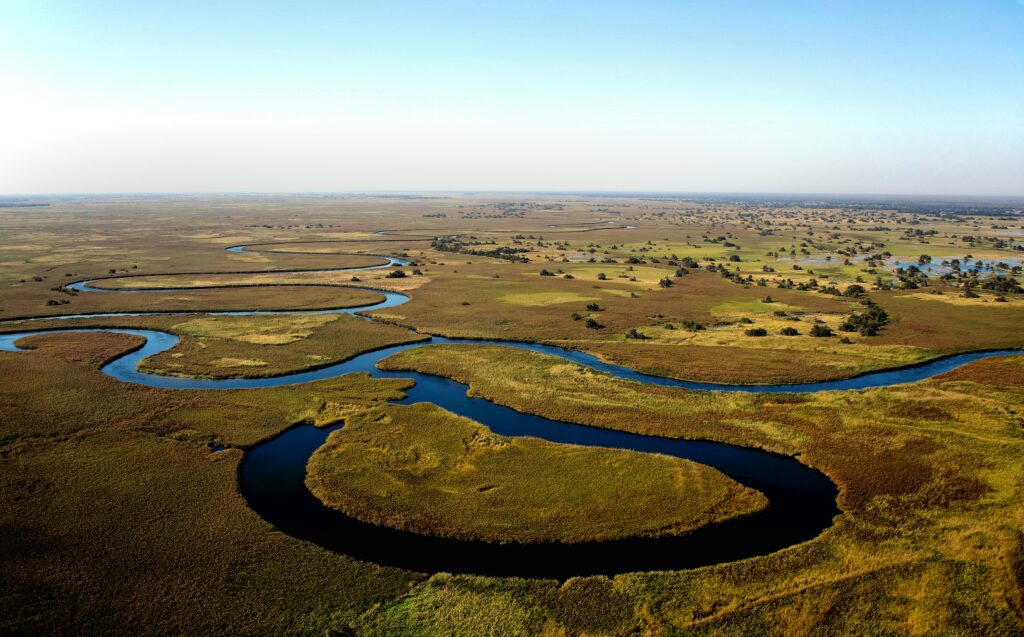
Western Zambia contains the enormous Barotse Floodplain, formed by the seasonal flooding of the Upper Zambezi.
During the wet season, huge areas become flooded, while the dry season exposes grasslands and channels.
From the air, this seasonal transformation is spectacular.
Lakes and Wetlands
Zambia also contains major lakes and wetlands, including Lake Tanganyika, Lake Mweru, Lake Bangweulu and Lake Kariba.
Bangweulu is particularly important for wetlands and birdlife, while Lake Kariba dominates parts of the southern border.
Zambia from the Air
Zambia is predominantly a country of broad horizons.
Unlike Namibia, there are few enormous deserts. Instead, the landscape is characterised by woodland, rivers, wetlands and high plateaus.
For pilots, the greatest geographical challenge is often not terrain but distance. Large wilderness areas can extend for hundreds of kilometres, with relatively little infrastructure between destinations.
This is also what gives Zambia its extraordinary sense of freedom.
Weather and Climate in Zambia
Zambia has three clearly defined seasons: a warm and wet season from December to April, a cool and dry season from May to August, and a hot and dry season from September to November.
For pilots, this seasonal cycle has a significant effect on visibility, runway conditions, aircraft performance and wildlife distribution.
The Wet Season
December through April brings the majority of Zambia’s rainfall.
Thunderstorms become common, particularly later in the day, and heavy rain can dramatically reduce visibility.
Remote gravel and grass airstrips can also change character during the rainy season. Waterlogged surfaces, standing water and deteriorating access roads can become important considerations.
For pilots operating into remote safari areas, local information about runway conditions can therefore be just as important as the general weather forecast.
The Cool Dry Season
From May through August, Zambia experiences its coolest and driest conditions.
This is generally an excellent period for flying. Skies are often clear, humidity is lower and temperatures are more comfortable.
The dry season also concentrates wildlife around rivers and permanent water sources, making it the principal safari season.
Early mornings can be cool, particularly at higher elevations, while afternoon temperatures become increasingly pleasant.
The Hot Season
September through November can be extremely hot.
October is typically among the hottest months, with temperatures potentially reaching the mid-30s Celsius.
For pilots, this is particularly relevant because much of Zambia lies at significant elevation.
High temperatures combined with elevated airfields can reduce aircraft performance through increased density altitude.
Early departures can therefore be particularly attractive during the hottest period.
Thunderstorms
The beginning and end of the rainy season can produce spectacular thunderstorms.
These can develop rapidly and bring lightning, heavy precipitation, strong winds and turbulence.
For pilots crossing Zambia, weather should be assessed along the route rather than only at the departure and destination airports.
Weather and the Landscape
Zambia’s seasons dramatically change the appearance of the country.
The dry season turns grasslands golden and concentrates wildlife around rivers. The rains transform the landscape into lush green woodland and wetlands.
For pilots, this seasonal transformation is one of the country’s greatest attractions.
Zambia is therefore a year-round flying destination—but the dry season generally offers the most predictable conditions for safari aviation, while the wet season requires greater flexibility and careful weather monitoring.
Flying in Zambia
Zambia is one of southern Africa’s great bush-flying destinations.
The country combines large wilderness areas, remote safari camps, extensive rivers and relatively low population density. For pilots, this creates an extraordinary sense of freedom—but also makes preparation particularly important.
Cross-Border Flying
Zambia borders eight countries, making it a natural link between the major aviation destinations of southern and central Africa.
Important international aviation gateways include:
- Kenneth Kaunda International Airport — Lusaka
- Harry Mwaanga Nkumbula International Airport — Livingstone
- Mfuwe Airport
- Ndola Airport
Zambia’s immigration authorities confirm that immigration presence exists at the country’s four international airports.
The official immigration information also identifies a wider group of airports that can function as ports of entry under specified arrangements, including Chingola, Chipata, Kalabo, Kasama, Mansa, Mbala, Mongu, Sesheke, Solwezi and Zambezi, with operating arrangements that can differ.
This distinction is important: an airport being listed as a port of entry does not necessarily mean that immigration is permanently staffed or available at all times.
Pilots should confirm arrangements before planning an international arrival.
KAZA and Flying Between Zambia and Zimbabwe
The Victoria Falls region is particularly important for cross-border flying.
The KAZA UNIVISA currently covers Zambia and Zimbabwe and is available through selected entry points, including Kenneth Kaunda International Airport and Harry Mwaanga Nkumbula International Airport on the Zambian side, and Harare and Victoria Falls on the Zimbabwean side.
The visa is primarily a traveller/immigration facility; it does not replace aircraft, customs, immigration or flight-clearance requirements.
Air Traffic Control
Lusaka and Livingstone are the principal areas where pilots will encounter a more structured ATC environment.
Away from the major centres, traffic becomes considerably lighter.
This is one of Zambia’s great attractions for general aviation. Flying across the Kafue, Luangwa or Zambezi regions can feel remarkably remote.
Nevertheless, pilots should always work from current aeronautical information and confirm applicable airspace classifications, frequencies, reporting requirements and restrictions.
National Parks and Protected Areas
Zambia has an extensive protected-area system, including major parks such as:
- Kafue
- South Luangwa
- North Luangwa
- Lower Zambezi
- Liuwa Plain
- Kasanka
- Nsumbu
Zambia’s tourism authority lists 20 national parks and 36 game management areas, covering a substantial portion of the country.
The presence of wildlife and protected areas means that pilots should not assume that normal low-level flying is appropriate simply because the landscape is open.
Applicable aviation rules, park regulations, local procedures and any published restrictions should be checked before operating over protected areas.
Private and Safari Airstrips
Private airstrips are essential to Zambia’s safari industry.
Many remote camps are connected by small gravel or natural-surface runways that allow aircraft to reach destinations that would otherwise require many hours of road travel.
These strips can vary considerably in length, surface, elevation and facilities.
Before using a private strip, pilots should confirm:
- Permission to land
- Runway condition
- Surface and length
- Obstacles
- Wildlife
- Elevation
- Fuel
- Parking
- Communications
- Local procedures
- Operating hours
A private airstrip should never be assumed to be available simply because it appears on a map or aviation database.
Wildlife and Bush Flying
Zambia’s wildlife areas are some of the most remote in Africa.
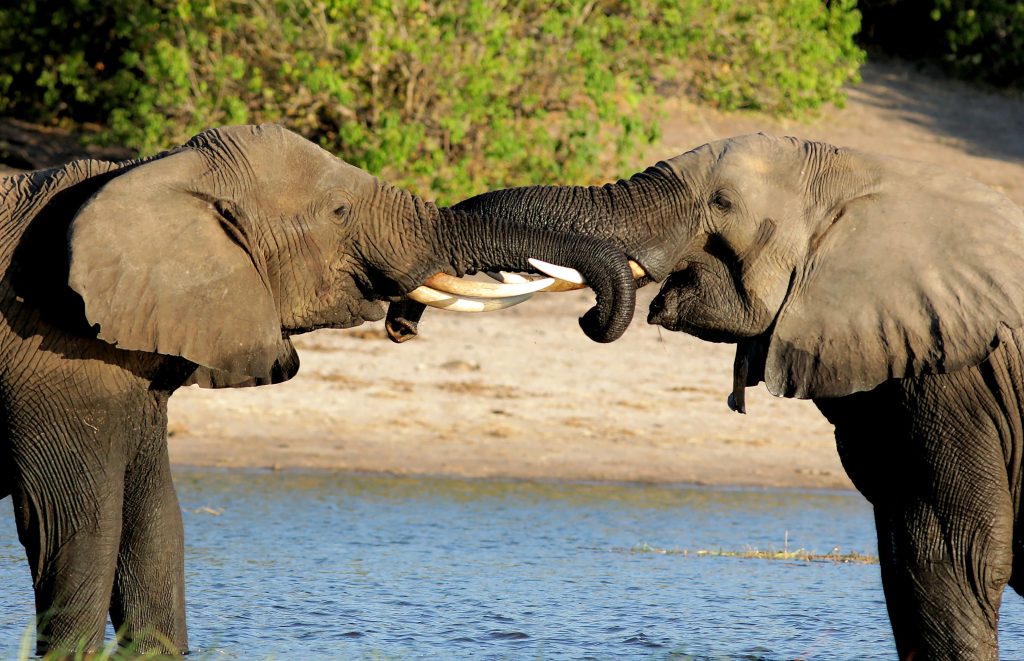
Elephants, hippos and other wildlife can move across or near remote airstrips.
Local knowledge is therefore particularly valuable. Safari operators and resident pilots can often provide the most current information about runway conditions, wildlife activity and local procedures.
The Freedom of Flying in Zambia
Zambia offers some of the most genuine bush-flying experiences in southern Africa.
There are enormous wilderness areas where the aircraft may be the most practical connection between destinations.
The feeling of flying across the Kafue or along the Luangwa Valley, with almost no infrastructure visible below, is difficult to replicate elsewhere.
For pilots, Zambia represents freedom in its purest form—but freedom supported by preparation, self-reliance and respect for the wilderness.


Ready for Your Adventure?
Contact us today to begin planning your unique African safari experience.